
A Fraternity of character and discipline
What is Freemasonry?
a
Freemasonry, often referred to as Masonry or The Craft, is the oldest continually-operating fraternal organization in the world. It unites men who commit themselves to moral development through instruction, reflection, and service. Its teachings are conveyed through symbolism drawn from architecture, geometry, and classical moral philosophy.
Freemasonry is properly understood as a fraternal institution, with historical membership restricted to men, rather than a secret, religious, or political body. Its work is directed toward moral formation through symbolic instruction, ethical discipline, and voluntary service. Freemasons are drawn from diverse faiths, professions, and social circumstances, united not by doctrine or ideology, but by a shared commitment to integrity, brotherly responsibility, and charitable action within the wider community.
A BROTHERHOOD GROUNDED IN TRADITION, SERVICE, UNITY, AND SELF-CULTIVATION
THE PURPOSE AND MEANING OF FREEMASONRY
Freemasonry is not a religion. It is a philosophical and spiritual system of moral development, ethical reflection, and personal responsibility. Its teachings are not concerned with dogma or social status, but with the inner development of the individual. The lodge is understood symbolically as a space of ordered instruction, where ethical principles are explored and applied through deliberate practice rather than abstract theory. Initiatory rites, rituals, and ceremonies serve as tools for reflection, inviting members to examine their conduct, responsibilities, and relationship to the wider world.
MAKING GOOD MEN BETTER
INITIATION, FAITH, AND ETHICS in freemasonry
Freemasonry belongs to a long initiatic lineage concerned with ethical refinement and intellectual light, conducting voluntary symbolic initiations regulated by formal ritual and jurisprudence, and these contemplative ceremonies share neither method nor intent with any practices grounded in coercion or humiliation. Freemasonry is neither corrective nor rehabilitative in intent. It is directed toward men of good character who seek deliberate moral refinement, disciplined self-knowledge, and constructive participation in the life of their communities. Its methods emphasize personal responsibility, symbolic instruction, and service freely undertaken rather than imposed.
Freemasonry neither supplants, nor competes, with a man’s religious convictions or political commitments. Freemasonry does not function as a religious institution or system of worship, though it requires belief in a Supreme Being. Members retain their individual faith commitments, which are respected and never debated in lodge. To preserve harmony and mutual respect, discussions of religion and politics are excluded from lodge proceedings. This restraint allows men of differing beliefs to labor together in unity, focusing on shared ethical principles rather than division.
Throughout its history, Freemasonry has emphasized the formation of character. Members are expected to govern themselves with integrity, cultivate brotherly affection, and extend relief where it is needed. The Craft offers a lifelong course of moral education grounded in responsibility, restraint, and thoughtful action.
The Three Degrees of Freemasonry
Masonic RITUAL Practice
Freemasonry is organized around three principal degrees, which are known as Entered Apprentice, Fellow Craft, and Master Mason.
Each degree is communicated through formal ritual presented as moral allegory, conveying ethical instruction and the responsibilities assumed by the candidate. These ceremonies are reserved for members, not to conceal information, but to preserve the integrity and contemplative impact of the symbolic experience. Through this graduated process, a Mason deepens his understanding of duty, conduct, and personal accountability.
Symbolism drawn from sacred architecture, particularly the biblical account of the building of King Solomon’s Temple, forms a central framework for Masonic teaching. This narrative is employed not as historical instruction alone, but as a moral and philosophical model for the construction of character. In lodge, the Volume of Sacred Law is placed upon the altar and opened during labor, affirming the fraternity’s respect for faith, conscience, and moral order, while leaving interpretation to the individual beliefs of each member.
Privacy and public discussion
SECRECY IN Masonic Practice
Certain elements of Masonic ritual are reserved for members, not as a means of exclusion, but to preserve the integrity and educational effectiveness of symbolic instruction. Symbols and ceremonies derive much of their value from personal encounter and reflection, and their impact is diminished when removed from their intended context. Privacy allows these teachings to be experienced as they were designed, as a shared and contemplative process rather than as abstract description.
Historically, many philosophical and initiatory traditions have relied on careful transmission to ensure continuity, clarity, and protection from misunderstanding. Within this broader context, Freemasonry adopted discretion as a practical and pedagogical measure, enabling its moral and symbolic teachings to be conveyed responsibly and without distortion.
While certain modes of instruction are reserved for initiates, the aims, principles, and charitable works of Freemasonry are openly declared and demonstrated through public service, civic engagement, and the visible conduct of its members. Any material on Masonic symbolism, ritual interpretation, and philosophical ideas that has been published in recognized Masonic literature is appropriate and encouraged for open discussion in public and academic settings.
Giving Back with intention
Charity and Community engagement
Freemasonry has long emphasized charity and service to those in need, particularly the widows and orphans of Masons. Nationally, Masonic organizations contribute more than $1.5 million in charitable aid each day, reflecting a sustained commitment to the welfare of others. Many Grand Lodges support homes for the elderly, hospitals, and outreach programs, including the renowned Shriners Hospitals for Children, demonstrating that Masonic principles extend beyond ritual into tangible impact on society. Additionally, the lodge maintains ongoing support for the Scottish Rite Hospital for Children, providing volunteer service and resources to ensure children receive specialized medical care regardless of circumstance.
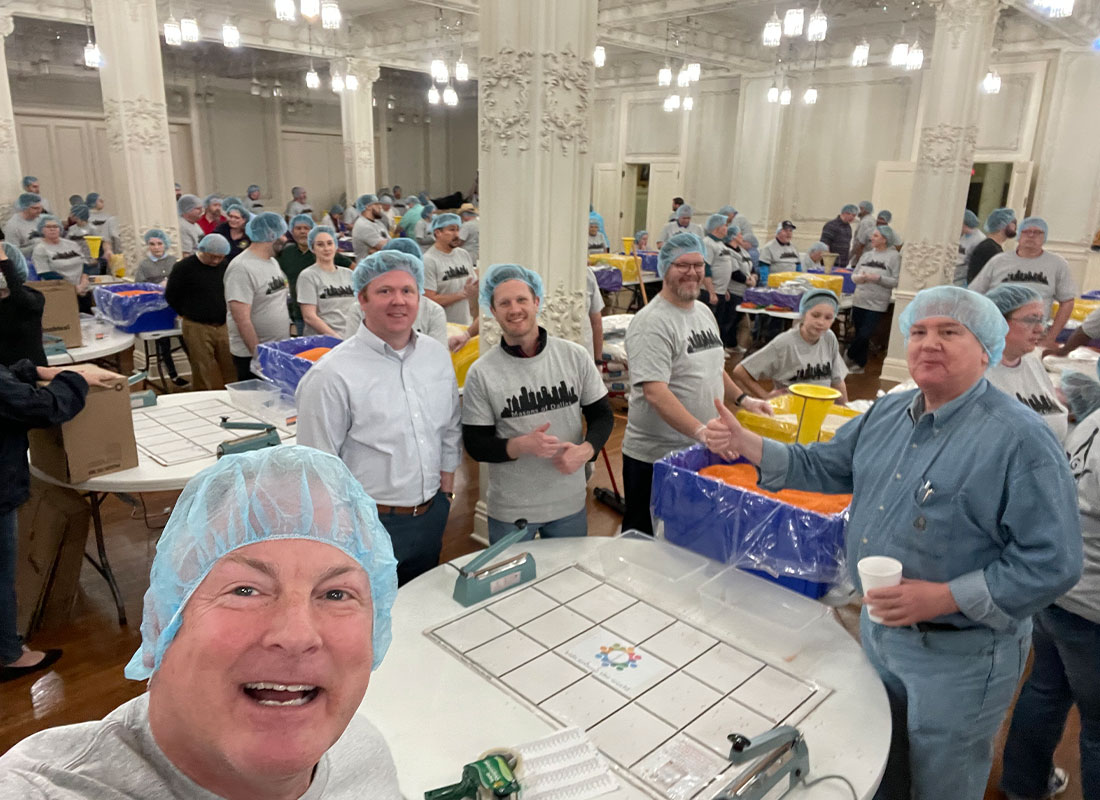
At Northern Star Lodge No. 377, charity is practiced as active engagement rather than symbolic gesture. Members unite to meet local needs and support institutions consistent with Masonic values. Programs such as Feed the Funnel involve preparing and distributing meals for families in Dallas, transforming compassion into direct action. Northern Star Lodge No. 377 is dedicated to living the Masonic principles of benevolence, service, and community responsibility.
Initiation begins with inquiry
JOINING FREEMASONRY: HOW TO BECOME A MASON
Membership is initiated through deliberate inquiry and personal reflection. Freemasonry does not engage in recruitment. Men of upright character who are genuinely drawn to the teachings of the Craft are invited to consult with a Brother, visit the lodge, and pose their questions, thereby beginning a considered journey of moral and intellectual engagement.
The path to membership comprises a formal petition, careful investigation, initiation, and progressive advancement through the three degrees of Craft Masonry. Northern Star Lodge No. 377 extends this opportunity to men prepared to dedicate themselves to personal growth, fraternal service, and the disciplined study of Masonic principles.
A one-time fee accompanies the conferral of each degree, followed by annual dues to support the lodge and its work. Candidates engage in structured learning that includes memorization and ritual practice, designed to ensure both comprehension of the Craft’s allegorical teachings and the internalization of its ethical and philosophical lessons. Contact us today to learn more.